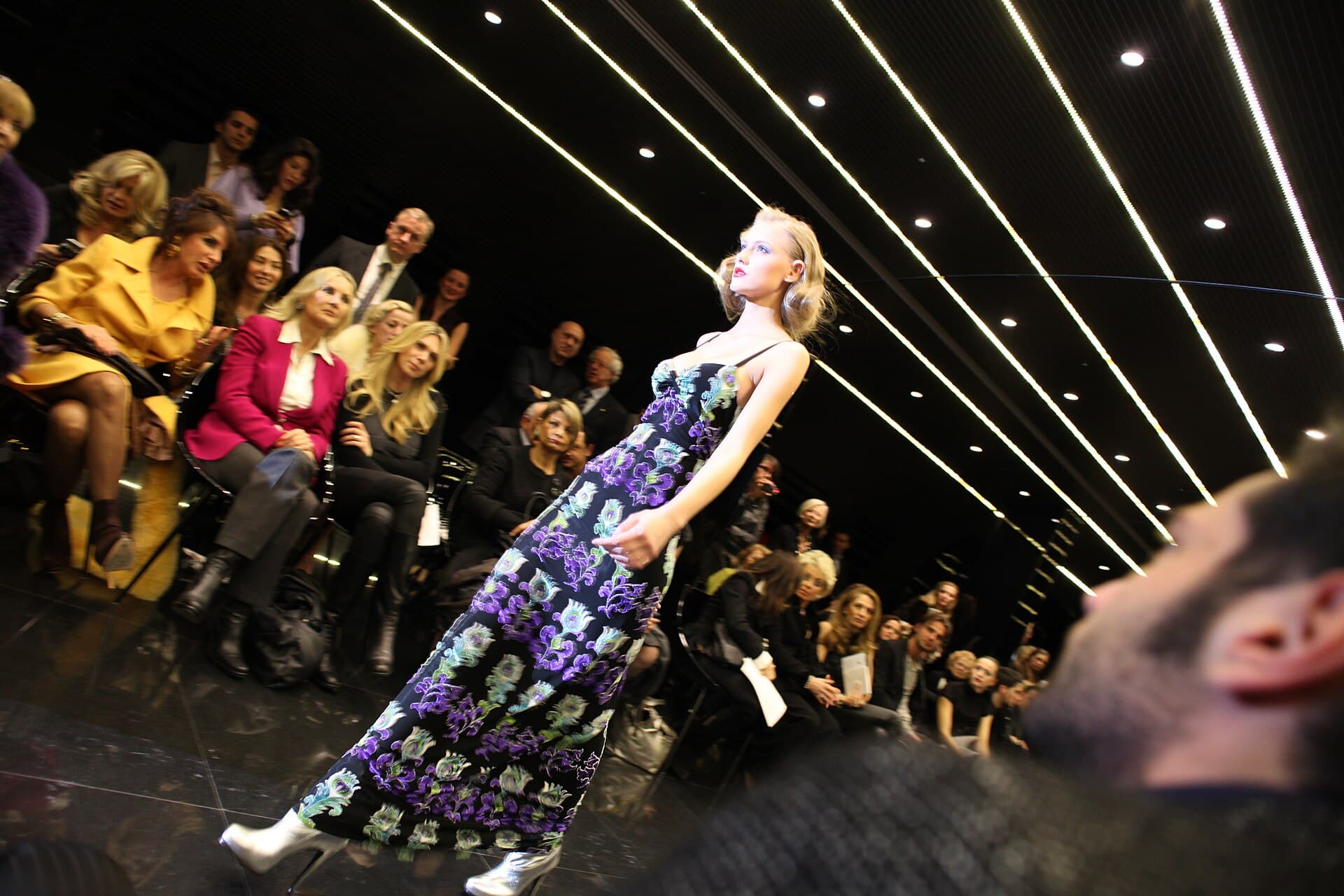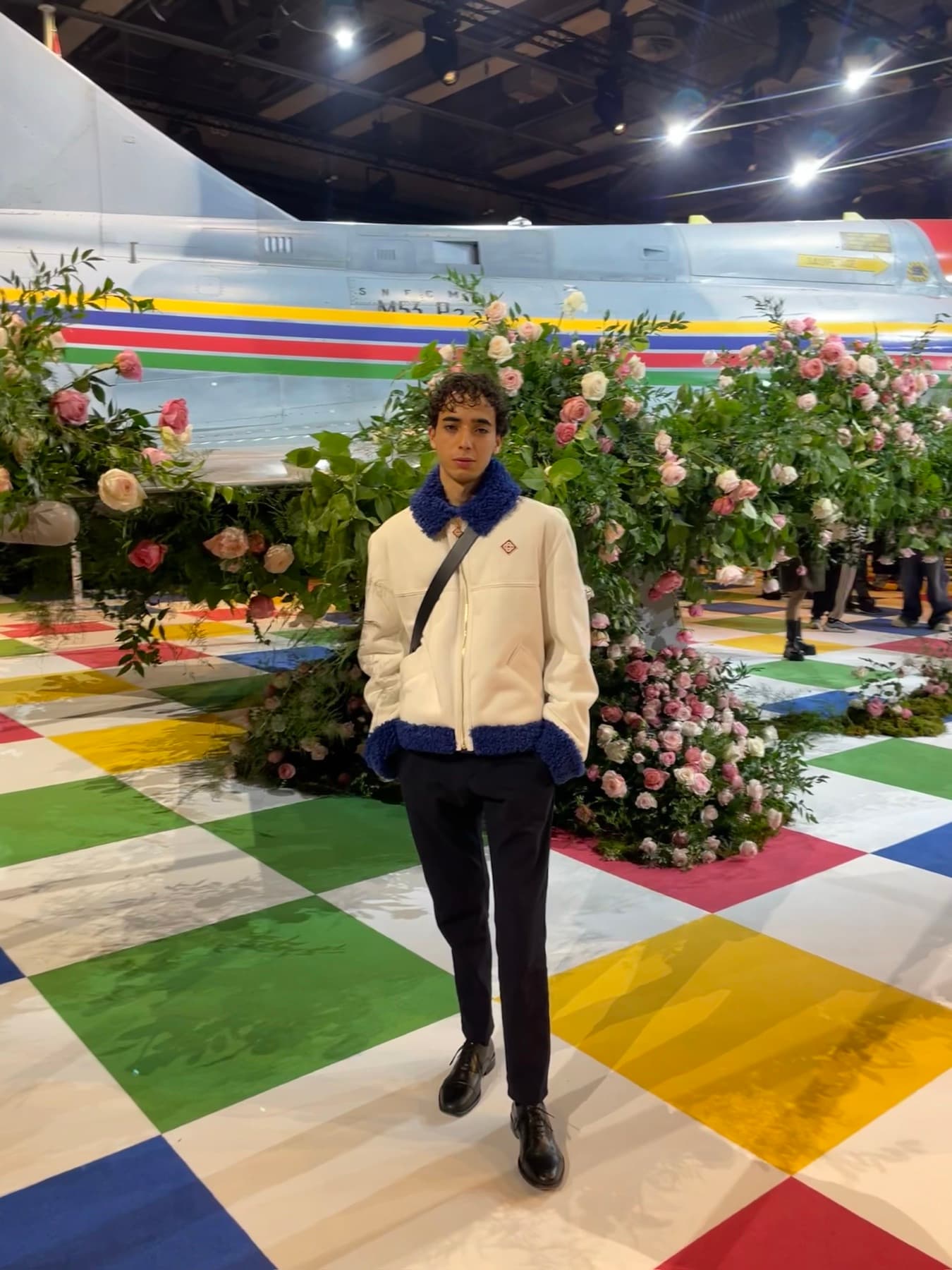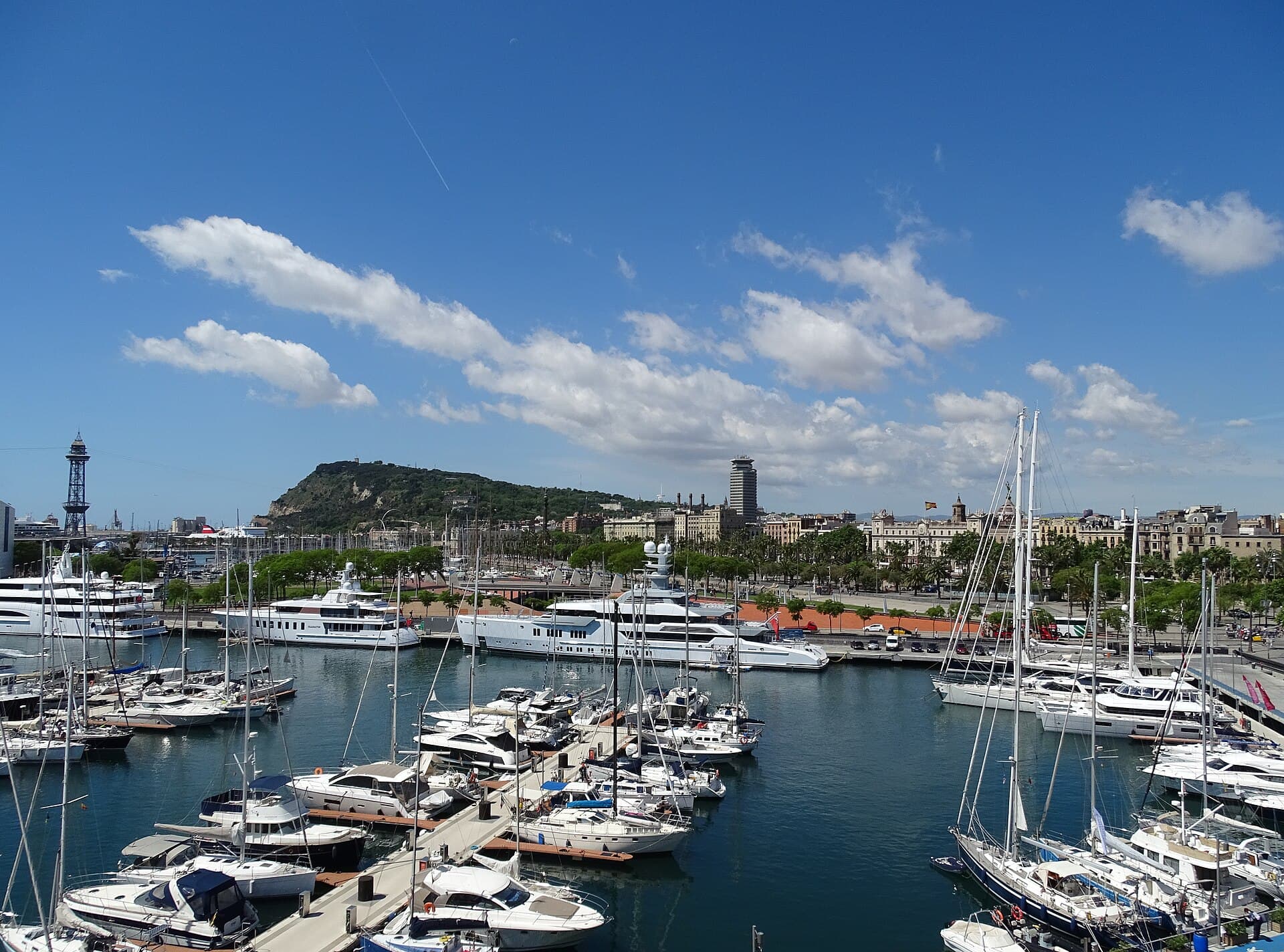
080 Barcelona Fashion held its 37th edition from April 14 to 17, 2026, with 26 national and international brands, at Port Vell, along the Rambla del Rompeolas and Marina Vela. It was the first edition at the new site.
The 36th edition, in October, was the last at the Recinte Modernista de Sant Pau, with 24 designers, and it was covered at the time with the tone of a farewell. That is the right instinct. The two venues are arguing for two different fashion weeks.
What the old venue was saying
Sant Pau is a UNESCO-listed modernista hospital complex: Domènech i Montaner pavilions, tiled vaults, gardens between the buildings. As a runway venue it is close to unbeatable, and that was the problem.
A show staged in architecture like that borrows the architecture's authority. Everything photographs well. Every collection looks considered because the ceiling is considered. For a fashion week whose job is to build international credibility for Catalan brands, that is a useful loan, and like most loans it obscures the underlying position. You could not easily tell, from the images, which brands were actually ready for a buyer.
It also said something specific about the proposition: heritage, craft, Barcelona as a cultural capital. That is a real pitch and it is the same one the city makes to tourists.
What the new venue says
Port Vell is a working harbour with a marina, a breakwater promenade and cruise traffic. It is open, it is modern, it is commercial, and it does not flatter anything.
Moving there swaps the cultural-capital pitch for a trade pitch: this is a port, things leave from here, and the fashion week is part of the economy rather than part of the heritage. For a calendar whose designers mostly need distribution rather than reverence, that is arguably the more honest room to stand in.
It is also, bluntly, a room that scales. Sant Pau is a protected monument with the access constraints that implies. A port can take a bigger structure, more brands and more trade visitors without asking a conservation authority for permission.
The dates are the thing to watch
The 38th edition is scheduled for October 2026 and the call for designers and brands to apply is open. The precise dates have not been announced.
That gap is worth sitting with. Paris published its Spring/Summer 2027 calendar in July, running September 28 to October 6. Milan published September 22 to 28. New York published September 10 to 15. All three had their schedules out before August, because buyers and press book travel months ahead and a fashion week that announces late gets the leftover half of everyone's calendar.
080 is not in that tier and does not need to be. But October is a crowded month. If the 38th repeats the mid-October slot the 36th used, it lands directly on Frieze London, October 14 to 18, which pulls exactly the international press and fashion-adjacent audience a Barcelona week would want. There is a real question about whether the calendar is being set around the city's availability or around the visitors it is trying to attract, and until the dates appear it is not answerable.
Why it matters beyond Catalonia
Regional fashion weeks are the part of this industry that gets written about least and functions most. They are where a brand with fifteen stockists learns whether it can hold a runway, and they are the only affordable route onto a schedule for designers who will never be invited to Paris.
The interesting ones are the ones that pick a specific job and do it. Copenhagen chose regulation and made its sustainability minimums a condition of showing, which turned a small calendar into a standard other people cite. Barcelona's choice, on the evidence of the move, is trade and scale.
It is a coherent bet. Now it needs a date.
Edition details, venue and brand counts per FashionNetwork, Modaes and 080 Barcelona Fashion. October dates were unannounced at the time of writing.