For most of the last decade, luxury's position on the secondhand market was to look away from it. That has stopped. What replaced it is not one strategy but three, and they are not equivalent.
- Gucci buys back, refurbishes and resells its own vintage through a Pre-Loved programme, after an earlier partnership with The RealReal and its own Vault venture.
- Balenciaga, Valentino, Jean Paul Gaultier, Oscar de la Renta and Burberry have run initiatives to take a stake in the pre-owned market, mostly with authenticated-resale partners.
- Rolex certifies secondhand watches through its official retailer network and puts a two-year international guarantee on them. The programme started in 2022 at Bucherer and has since spread across the wider Rolex network.
Two of those are revenue. One is jurisdiction.
A brand that resells its own product through a partner is doing margin recovery. It captures a share of a transaction that was happening anyway, and it gets data on who is buying its goods at half price. Sensible, defensive, small.
A brand that guarantees a product it did not sell to you is doing something else entirely. It is declaring that the object remains its responsibility after it leaves, and that the brand, not the market, decides what a genuine one is.
That is a claim of jurisdiction over the secondhand market, and it is worth far more than a cut of the sale. Once the maker will stand behind a used watch, buying from anyone who cannot offer that carries a discount, and the discount is set by the brand.
Why watches got there first
The category made it easy in three ways that fashion does not.
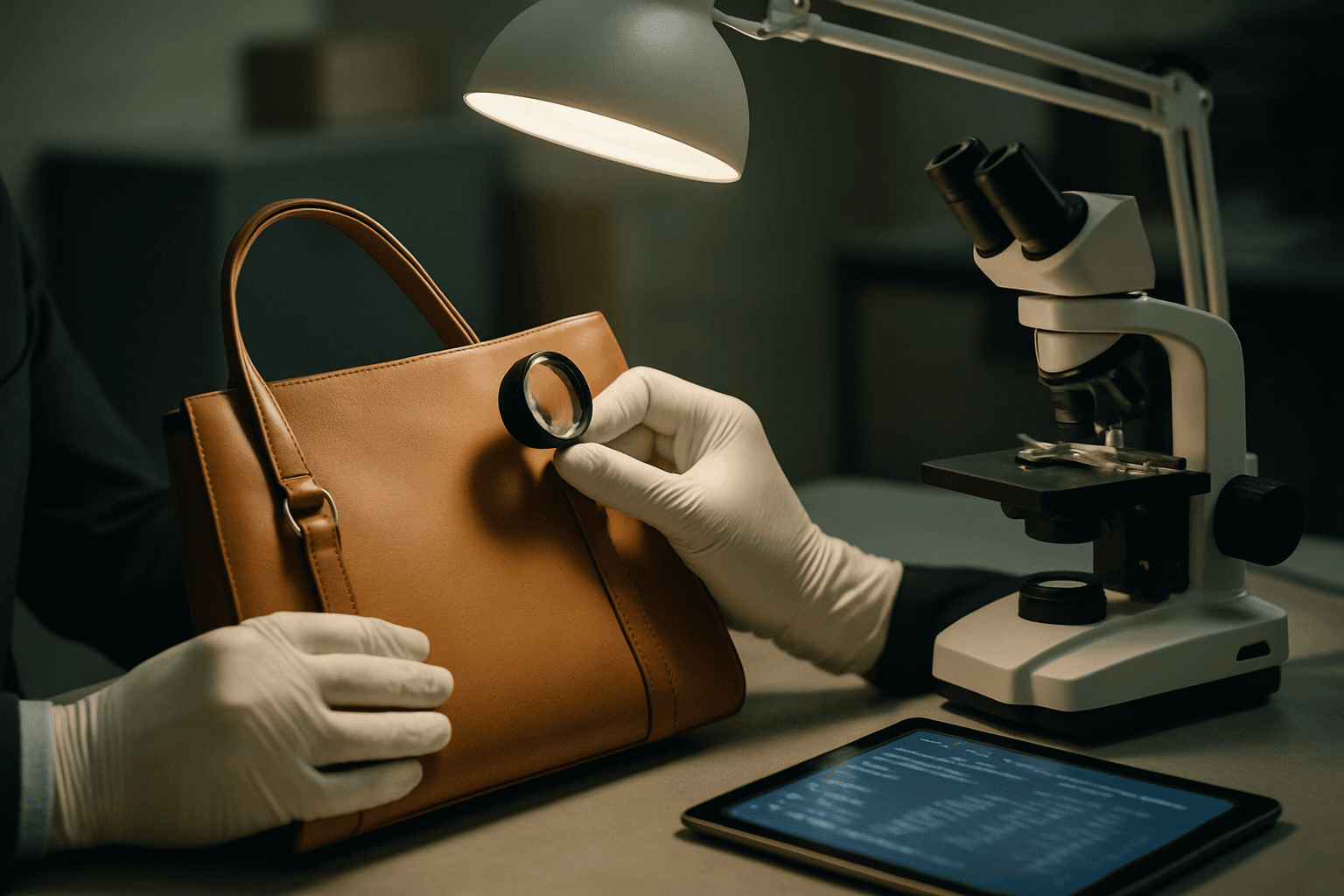
Watches have serial numbers. Every one is individually identifiable, which makes certification a lookup rather than an opinion. A handbag has a date code at best.
Watches are serviceable. A brand that runs service centres already touches its products for decades after sale, so a certification programme is an extension of something that exists rather than a new operation.
Watch models persist. A Submariner is recognisably the same object across many years of production, so a guarantee is a bounded liability. A house that reinvents its bags every two seasons under a designer who is replaced every eighteen months would be guaranteeing a moving target.
That third point is the real barrier, and it is self-inflicted. The industry's own novelty cycle is what makes its products hard to stand behind later.
What is about to change the arithmetic
The Digital Product Passport gives every garment sold into Europe a manufacturer-issued record that has to survive resale. That does to clothing roughly what a serial number does to a watch: it makes the brand the source of truth about its own secondhand goods, automatically, as a compliance obligation it cannot avoid.
Once a house is legally required to issue the record, declining to certify against it starts to look like a choice rather than an impossibility. The regulation will hand fashion the infrastructure that watchmaking built for itself, and the houses that have spent the last few years running small partner programmes will find they are holding the plumbing for something much larger.
What to watch
The first fashion house to attach a guarantee, not a certificate, to a secondhand item. Certificates say we believe this is ours. A guarantee says we will pay if it is not, and only one of those changes what a buyer is willing to pay elsewhere.
Programme details per The Fashion Law and Rolex.