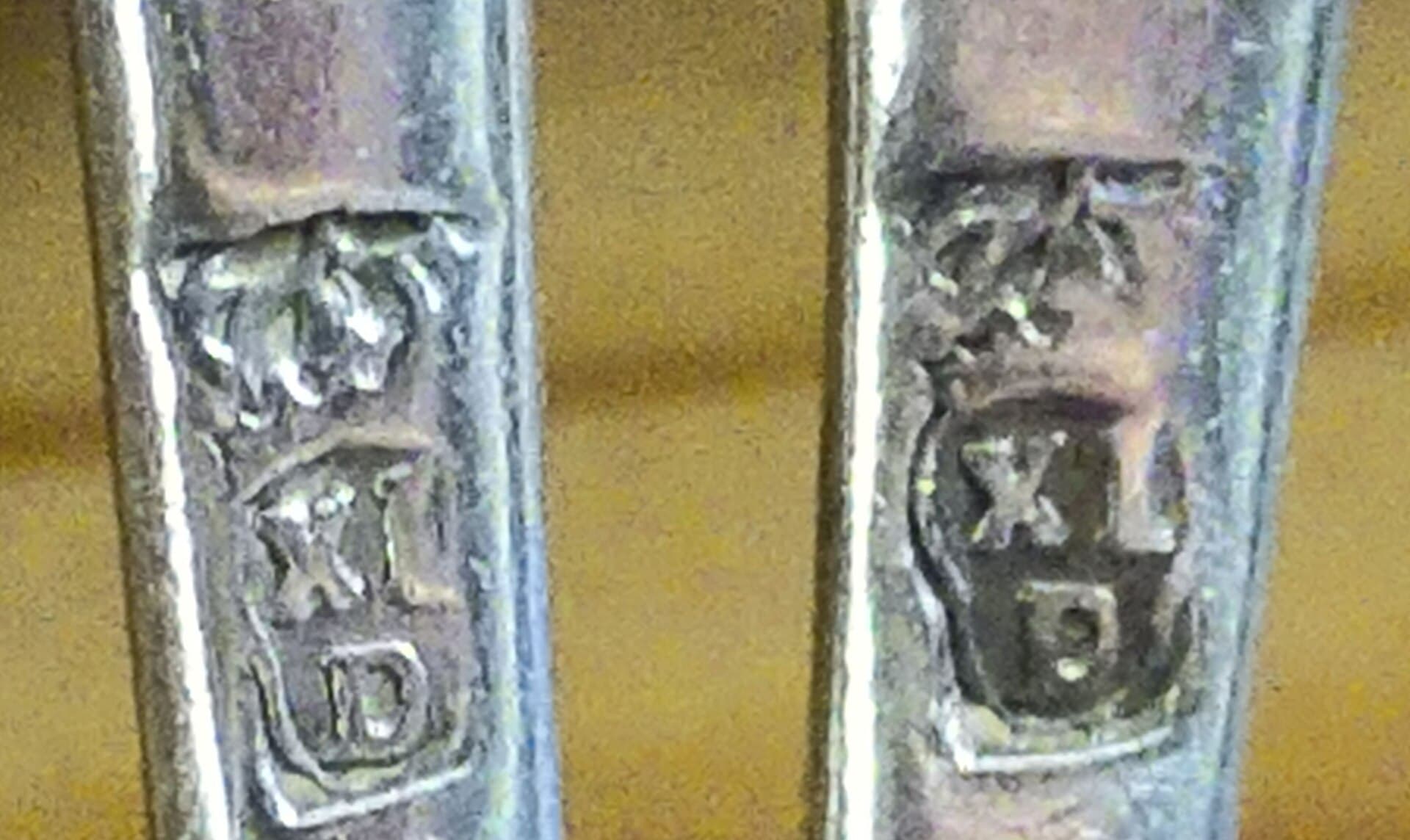
The leading resale players have spent this cycle expanding authentication technology, leaning on AI-driven tools and blockchain provenance records to make high-value secondhand transactions scale. That is where the investment is going, and it is worth being precise about why, because it is not the reason a retail business normally invests.
The structural problem with selling used luxury
A resale platform cannot compete on inventory. Every item is unique, arrives once, and leaves. There is no restocking a bestseller, no exclusive, no negotiated wholesale advantage. Whatever a platform has today is an accident of who decided to sell this week.
It cannot compete durably on price either. Price in secondhand is set by what the last comparable item fetched, and every platform can see that number.
What is left is trust. A buyer spending several thousand on a used handbag from a stranger is making a single decision: do I believe this is real, and do I believe someone will stand behind that claim if it is not. Everything else about the experience is secondary to that question.
So authentication is not a feature of the resale business. It is the business.
What the technology actually does
Two distinct problems, often collapsed into one.
Verification is the question of whether this object is authentic: stitch density, hardware weight, lining construction, date-code characteristics, glue lines. This is a pattern-recognition problem with enormous quantities of labelled training data, and it is where AI tooling is genuinely well-matched. It also scales in the way human expertise does not, because an authenticator with fifteen years of experience cannot be duplicated and a trained model can be deployed to every intake desk at once.
Provenance is the question of where this object has been: who owned it, what was done to it, whether it was repaired or restored and by whom. Blockchain records address this, and they address it much less completely than the marketing suggests. A ledger can prove that a record was not altered after it was written. It cannot make the original entry true. If an item enters the chain with a wrong claim attached, the chain preserves that claim faithfully forever.
The distinction matters commercially. Verification reduces fraud. Provenance mostly reduces disputes.
The economics underneath
The market is growing from $37.95 billion in 2025 to $41.61 billion in 2026, a compound rate of about 9.6%, with projections toward $60.11 billion by 2030. Handbags are the largest category, at more than 40% of the market. We covered the demand side in the resale market's size.
Handbag dominance is the key to the authentication question. Handbags are the most counterfeited category in luxury, and also the most standardised: a given model has consistent construction across thousands of units, which is precisely what makes both convincing fakes and reliable machine verification possible. The category that most needs authentication is the category where authentication works best.
That is why the investment concentrates there, and why platform share follows it. Vestiaire Collective holds roughly 17% of the market with a strong European position; The RealReal has grown on authenticated supply and improved operational efficiency.
What the houses are not doing
The obvious observation, and the one the industry keeps declining to act on: the party best placed to authenticate a handbag is the house that made it.
Houses have the specifications, the production records, and increasingly the embedded identifiers. They could resolve verification definitively. Most have chosen not to participate, for a reason that is easy to understand and increasingly hard to defend: authenticating your own secondhand market means legitimising a channel that competes with your full-price stores and reveals what your products are actually worth after purchase.
So a $41 billion market has built a parallel verification industry to answer a question the manufacturers could answer instantly. That is an inefficiency of a kind that does not usually survive a decade, and it is the most likely place for the structure of this market to change.
Market figures per published market research summarised by The Business Research Company. Platform share and technology adoption per contemporaneous industry reporting. Third-party market-sizing estimates vary in methodology and should be treated as indicative.