Every January and July the couture shows generate more images than any other week in fashion. The customer base they are addressing is estimated at around 4,000 active clients worldwide, with some counts running to about 5,000. A large house may serve a few hundred of them.
After Dior's New Look in 1947, the figure was roughly 20,000.
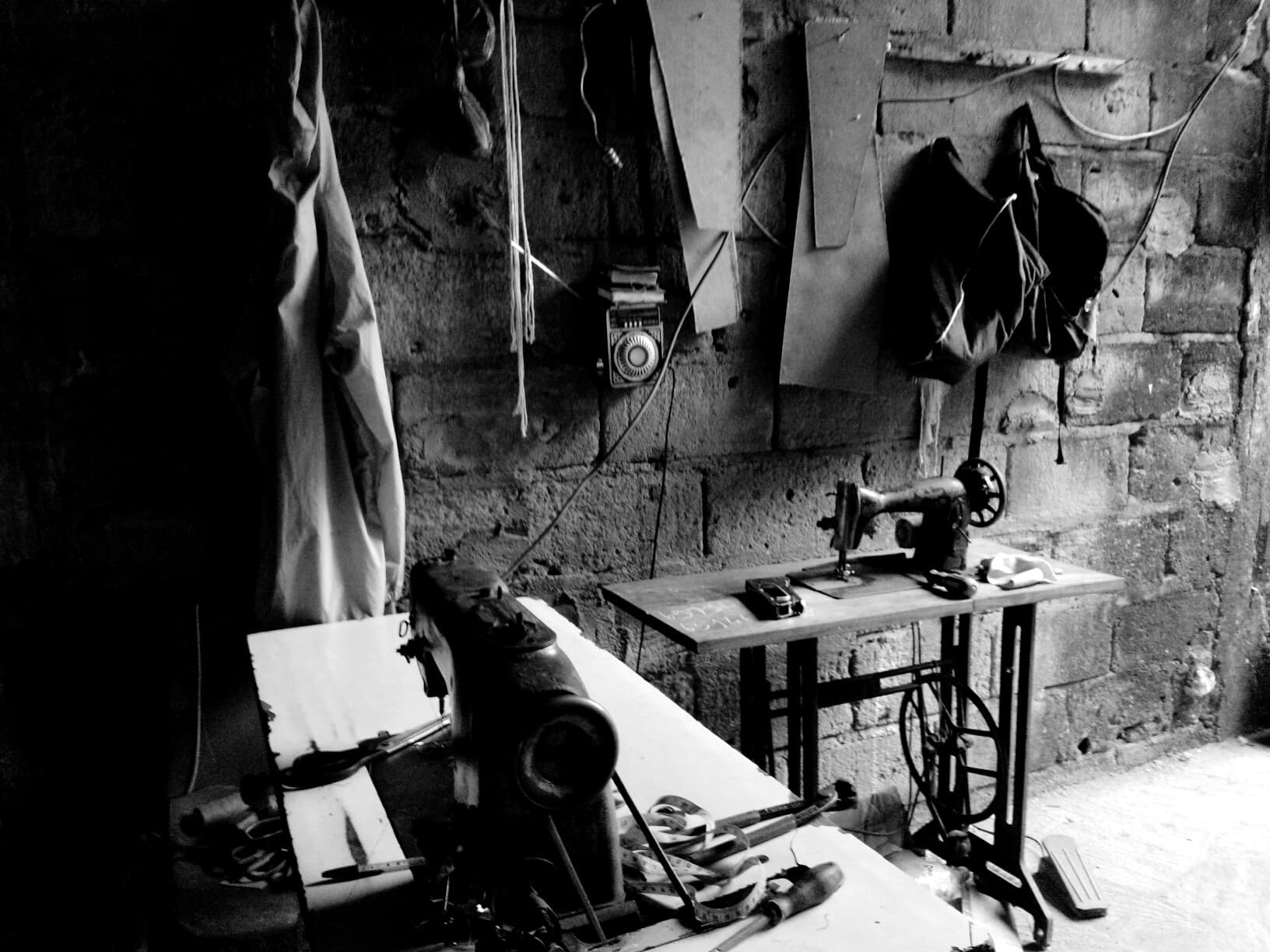
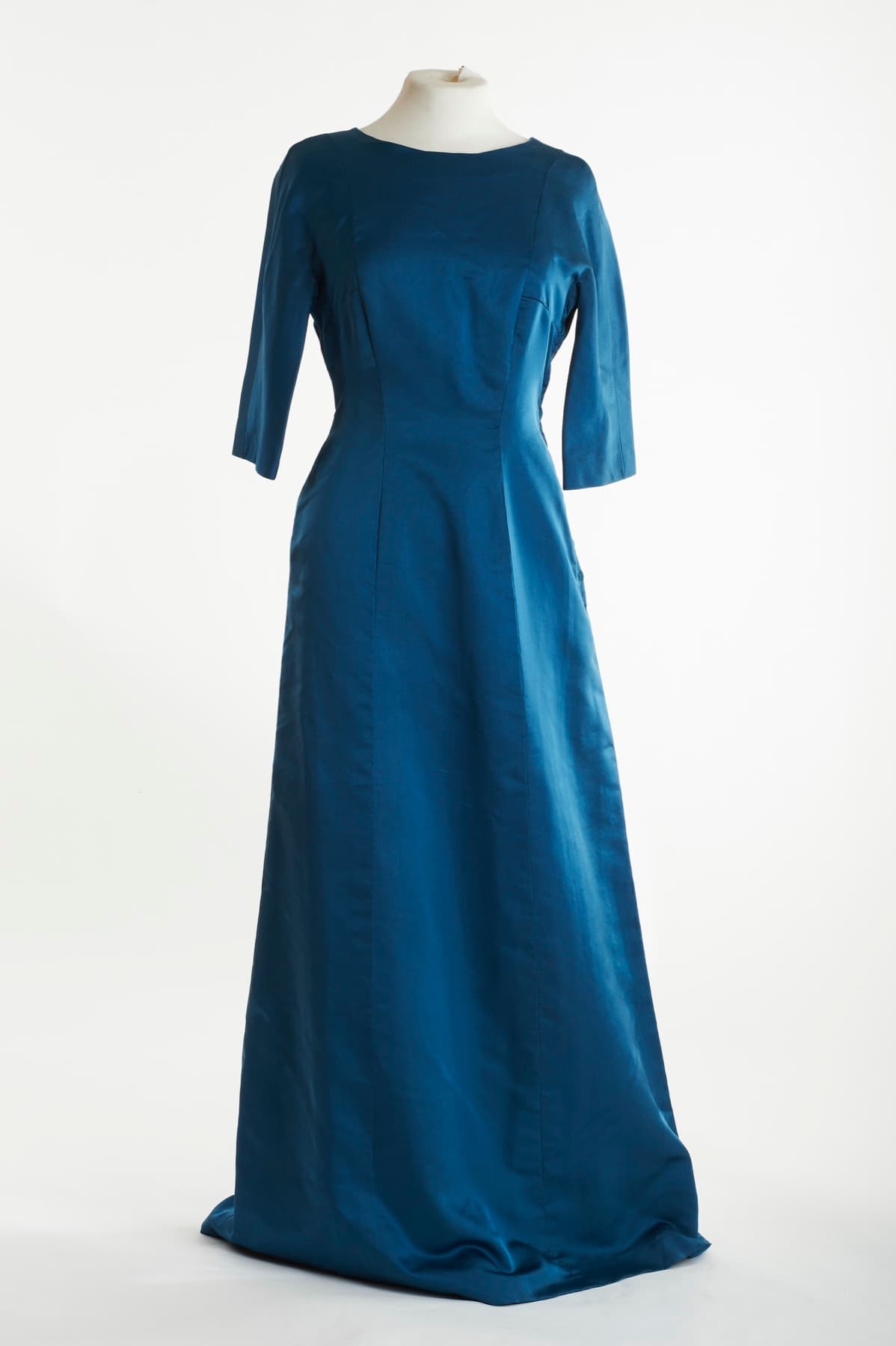
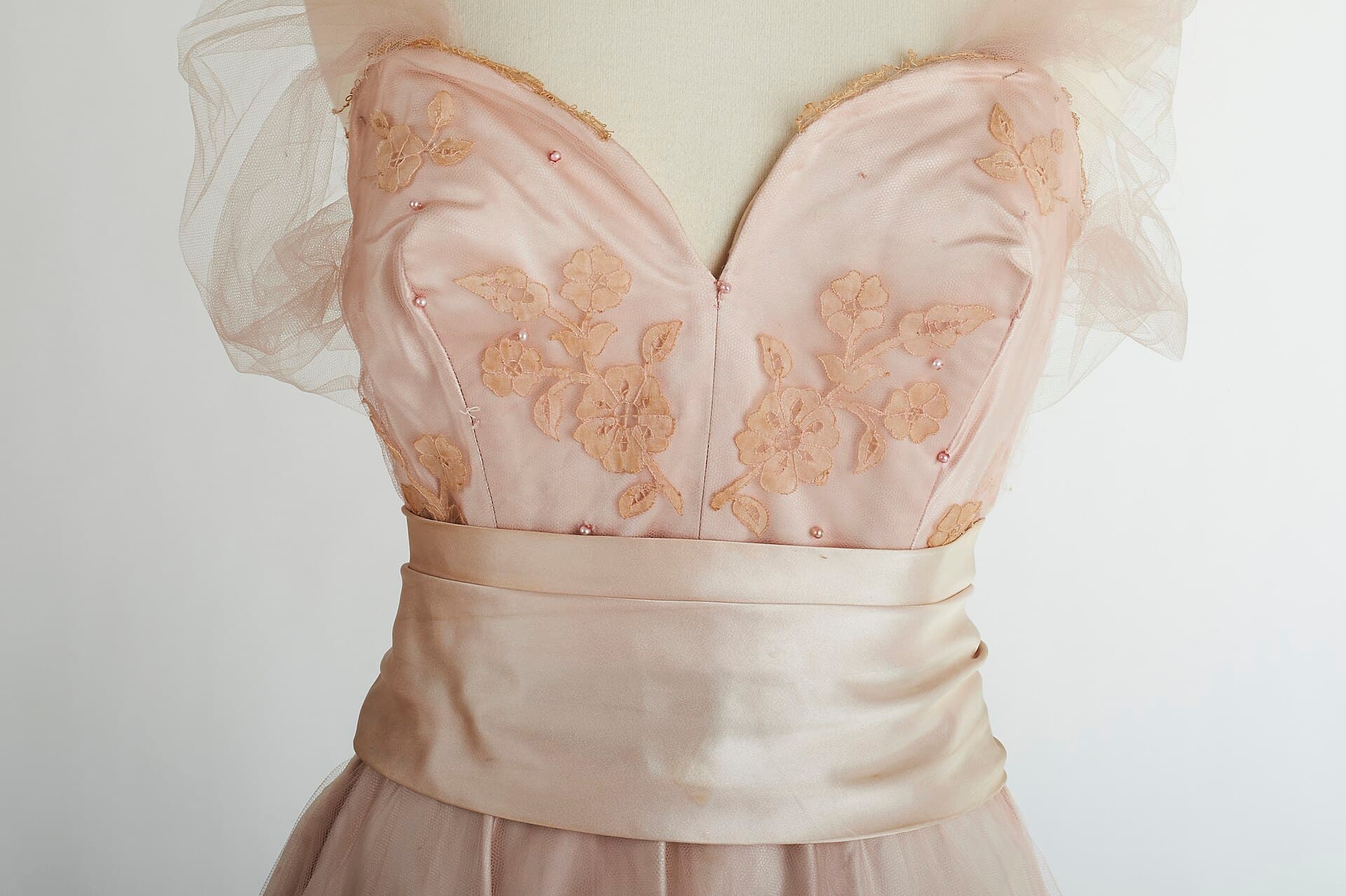
Prices run from about €30,000 for something relatively plain to over €500,000 for a heavily worked gown, and each piece is made by hand in a process that can take hundreds of hours. Even at those prices, couture is rarely profitable on its own.
A loss-making department that decides what the group is worth
Read those numbers as a standalone business and couture is indefensible. Read them as a line in a luxury group's accounts and they are obvious.
Couture is the demonstration that the house can do the thing it claims to be able to do. Everything that actually pays, the bags, the shoes, the beauty counter, the licence, is sold on the strength of a story about craft, and couture is the only place that story is tested in public against people who can afford to be disappointed.
It is expensive proof. It is also the cheapest possible version of that proof, because the alternative is trying to establish the same authority through advertising, which costs more and convinces nobody.
This is why the tier survives the market cycle. When group results wobble, couture does not get cut, because cutting it removes the justification for the margin on everything else.
Where the decline actually happened
The fall from 20,000 to 4,000 is usually told as a story about couture dying slowly. It is more precisely a story about what happened to the rest of the wardrobe.
In 1947, a wealthy woman had clothes made because ready-to-wear at that quality did not exist. Couture was not a statement, it was the supply chain. What removed 16,000 customers was not a loss of interest in craft, it was the arrival of extremely good ready-to-wear, which took over everything except the occasions where being one of four thousand is the point.
So the surviving client base is not a remnant. It is the part of the original market that was never about clothing in the first place.
The map has moved
Demand is diversifying regionally, with growth reported in Saudi Arabia, China, India and South Korea, and the couture calendar has been slower to reflect that than the commercial calendar has.
That matters more here than elsewhere, because couture requires fittings. Multiple ones, in person. A tier built on repeated physical contact between an atelier in Paris and a client cannot serve a customer base that has moved to the Gulf and East Asia by holding two shows a year on the Right Bank and waiting.
Watch for the ateliers travelling, or for salons opening closer to where the four thousand actually live. That is the real adaptation, and it happens away from the cameras.
What to watch
Whether the houses newly entering couture, or being tested as guests under the Chambre's two-year rule, can find clients rather than coverage. The shows are seen by millions. The business is a few hundred phone numbers per house, and nobody has ever bought a €300,000 dress because of a video.
Client estimates, historical figures and price ranges as reported by CoutureNotebook and Worldcrunch. Client counts are industry estimates, not audited figures, and vary between sources.