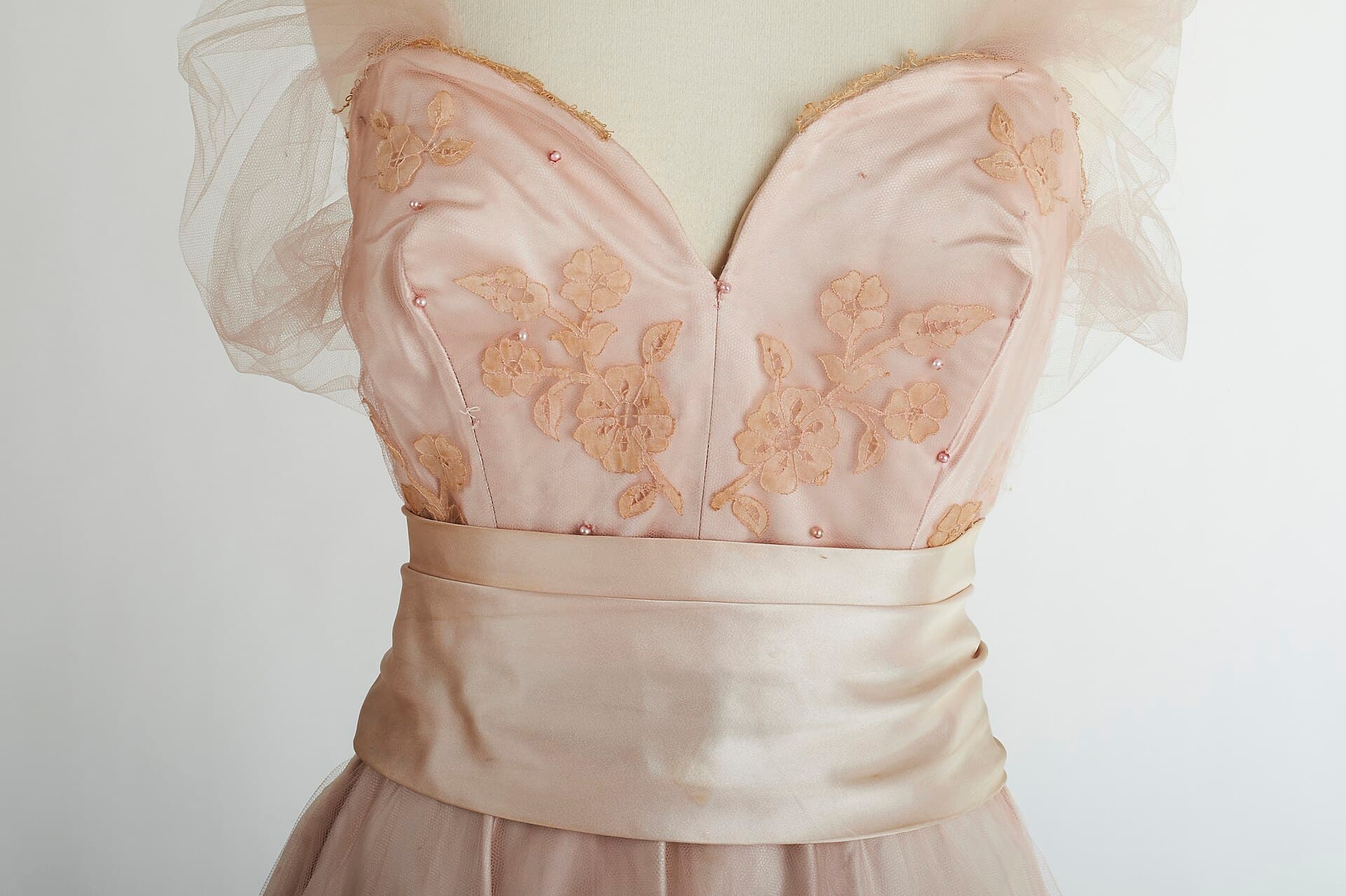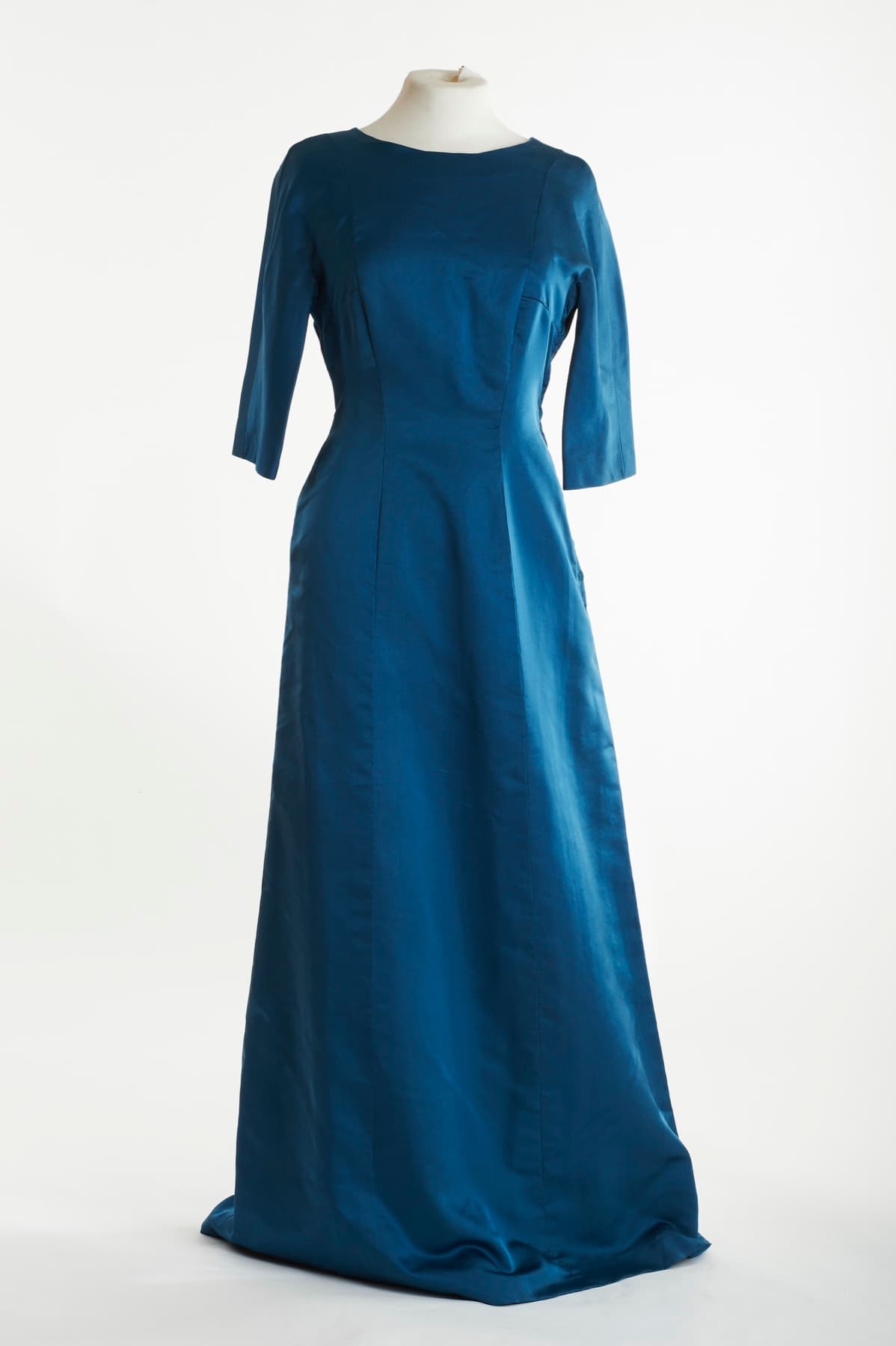
Twice a year the trade press writes about "the couture houses" as though that were a description. It is not a description, it is a legal category, and a good part of the calendar it is used to describe does not qualify for it.
The Chambre Syndicale de la Haute Couture runs three kinds of membership:
- Haute couture members, who hold the appellation and may use the words.
- Correspondents, foreign houses recognised by the Chambre that do not show in Paris.
- Guests, invited each season, who may describe their work as couture and are barred from describing it as haute couture.
A guest becomes eligible for the appellation after two years.
A protected name is an industrial policy, not a compliment
France protects "haute couture" the way it protects Champagne and Roquefort: a name that cannot be used unless a body certifies you meet its conditions, enforced in law rather than by convention.
That is not vanity. It is the same logic that runs through everything else about the French fashion apparatus, including the Fédération's control of the runway calendar and the showroom that sits beside it. Scarcity is the product. If any house that sews slowly could call itself haute couture, the words would mean "expensive", and "expensive" is not defensible against a competitor in another country who is also expensive.
The appellation is defensible, because it is granted in Paris, on French terms, and it can be withdrawn.
What the tiers actually do
The three tiers are usually explained as a hierarchy of prestige. They are better understood as three different problems being solved at once.
The appellation protects the name. It gates who may use it and therefore what it is worth.
Correspondents solve the export problem. Recognising foreign houses that never show in Paris extends the Chambre's authority beyond the city without diluting the calendar, which is how you stay the arbiter of a global category while remaining a French institution.
Guests solve the succession problem, and this is the tier that keeps couture alive. Couture cannot be a closed list, because a closed list of ageing houses is a museum with a schedule. The guest tier lets the Chambre run a two-year audition in public: the house shows, the press reacts, the clients either appear or do not, and the appellation is decided on evidence rather than on a portfolio.
The consequence when you read a couture calendar
A couture week is a mixed field of certified houses and houses on trial, presented in one list, and almost never labelled as such in coverage.
Which changes how you read a debut. When Piccioli showed his first Balenciaga couture, he was operating inside a house with standing. A guest showing on the same schedule is doing something structurally different: auditioning for the right to a word, with a clock running.
Both are described as couture debuts. Only one of them is a house deciding what it wants to say. The other is a house being examined.
What to watch
Who is invited as a guest this season and who is still a guest two years from now. Guests who never convert are the truest signal in couture, because they show the Chambre exercising the one power that makes the appellation worth having, which is the power to say no.
Membership structure and the two-year qualifying period per the Fédération de la Haute Couture et de la Mode and standing summaries of the Chambre Syndicale's rules. Current lists by tier are published by the Fédération each season.