A week ago we wrote that Kering's third-quarter numbers would decide whether two designer exits in six days looked like housekeeping or like urgency. The numbers came out on Thursday October 22. The market chose urgency.
Kering reported €3.35 billion in revenue for the quarter, stable on a reported basis and down 1% on a comparable basis, as reported by FashionUnited. Gucci brought in €1.29 billion, down 4% reported and 6% comparable. On Friday the shares fell 11.5% by mid-morning in Paris, as reported by Sharecast News via Hargreaves Lansdown, and closed the day down about 12%, as reported by Asharq Al-Awsat.
A flat quarter does not usually cost a group a tenth of its value. This one did because of what is underneath it.
Two Guccis in one line
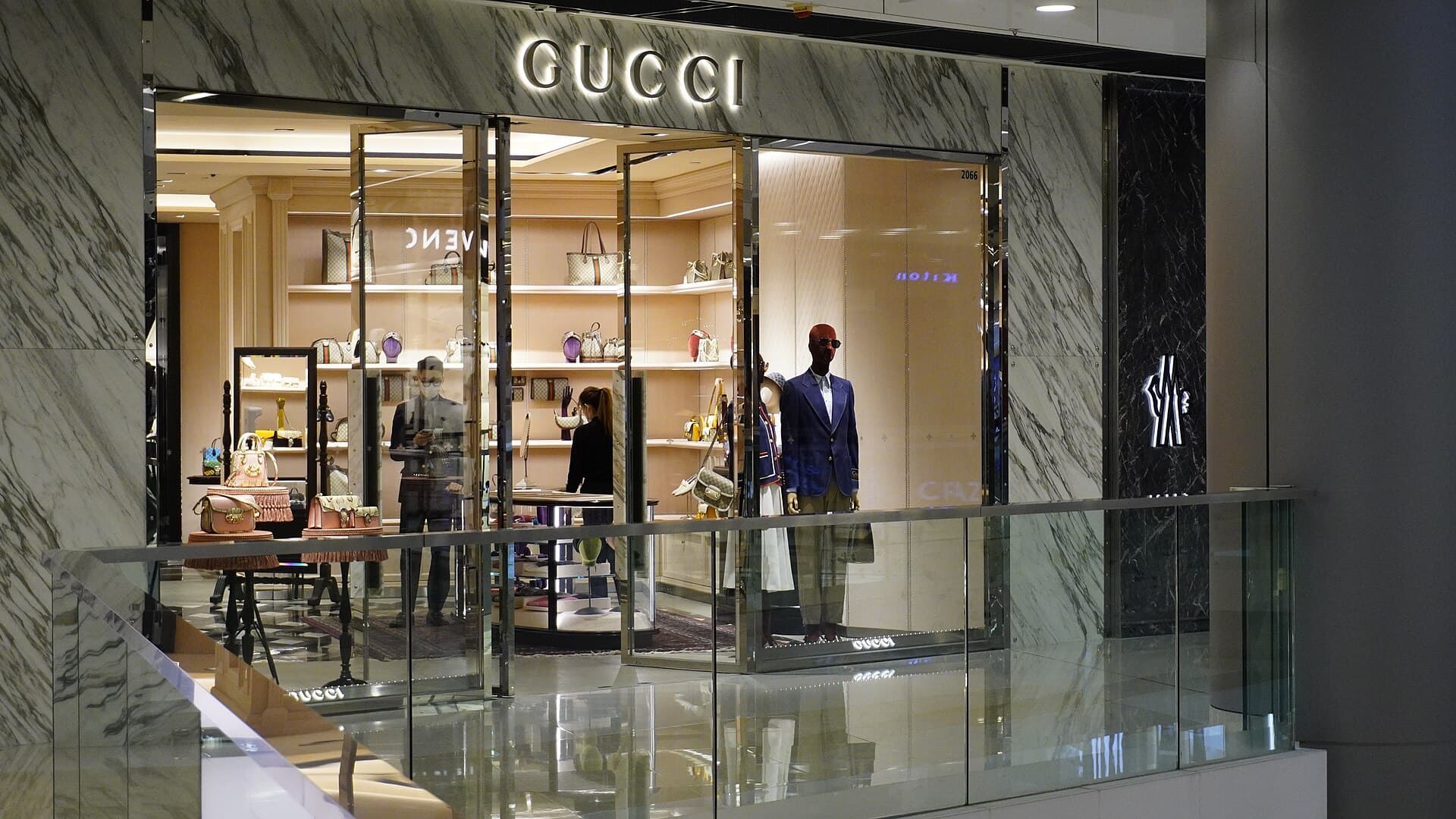
Gucci's figure hides two businesses moving in opposite directions. Comparable sales in its own stores, e-commerce included, fell 9%, while wholesale rose 45% to €120 million, against a weak prior-year base, FashionUnited reported. Kering's explanation for the retail number was lower store traffic, mainly in mainland China and Japan, while conversion and the average basket held up, as reported by Retail-News.
Read that carefully, because it is a precise diagnosis. The people who come in are still buying, and spending as much. Fewer of them come in. Department stores and multibrand retailers, meanwhile, have written larger orders for the new collections. The trade has started to believe in Demna's Gucci before the customer has.
That gap is where a turnaround either happens or stalls. Wholesale is a bet placed by buyers; retail is the result. Demna's collections are in stores now, and de Meo has been working to make prices more approachable for middle-class buyers, yet the decline continued, as Asharq Al-Awsat reported. JPMorgan's Chiara Battistini put it plainly: "The progress made on improving brand desirability remains in its very early stages." Gucci accounts for roughly half of the group's profit, as reported by Boluwatife Enome for Arise News, and its sales have now been falling for more than three years.
The rest of the house is not the problem
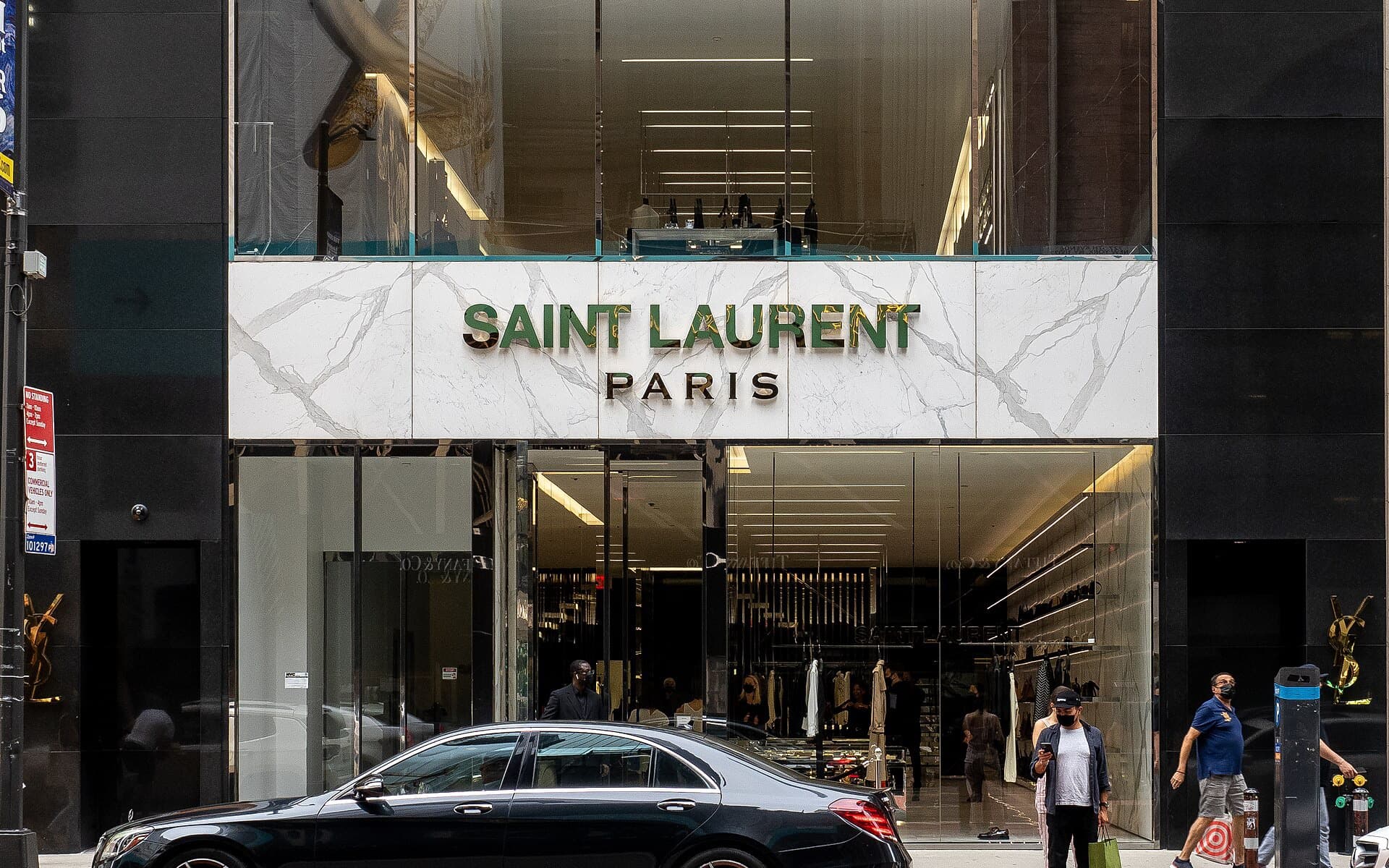
Outside Gucci the picture is better than the share price suggests. Comparable retail sales in Fashion & Leather Goods excluding Gucci rose 2%, FashionUnited reported. Saint Laurent grew in Western Europe and North America, Bottega Veneta outperformed across its key regions on leather goods and ready-to-wear, and Balenciaga held up in leather goods. Kering Jewelry rose 11% comparable to €239 million, driven by Boucheron in South Korea and Japan and Pomellato in Japan; Kering Eyewear rose 4% to €373 million.
The irony is hard to miss. Saint Laurent, the house that just lost its designer of ten years, is still growing. McQueen, which lost its own designer five days later, appears in the report only as a house "streamlining its retail footprint," with no figures attached. Neither house has a successor yet.
Fewer doors, by design
The quarter's least glamorous number may be its most telling. Kering closed 128 stores and opened 23 in nine months, a net reduction of 105, already above its original full-year target of 100, and now expects at least 125 net closures in 2026, as reported by Retail-News.
Closing stores while traffic falls is coherent: there is no point paying rent on doors nobody walks through. But it also changes what the brand is. A smaller network concentrates the business in fewer, better locations, and pushes more of it through other people's shops, which is exactly where Gucci's growth came from this quarter. That can be a healthier business. It is not yet the recovery de Meo promised. "The recovery of Gucci remains our defining priority," he said in the release, as FashionUnited reported. Finance chief Armelle Poulou declined to say whether overall growth is still the goal for the year, pointing to the full-year results, Arise News reported.
Not only Kering
The sector gave Kering no cover. Two weeks ago we wrote that China is pulling LVMH's fashion business back down. This week Hermès, long the industry's exception, reported its weakest quarterly growth since 2020, with ready-to-wear down 2% on weak Chinese demand, as reported by Asharq Al-Awsat, which added that Hermès shares are down about 40% since January and LVMH trades at a ten-year low. The same report cited the widening Middle East war, China's tax crackdown on wealthy individuals and oil at its highest since May as pressures on demand.
In that market, Kering's problem is the sector's problem with a sharper edge: when everyone's traffic falls, the house that was already losing customers loses them first.
What to watch
Three things, in this order. First, the two names: Saint Laurent's successor will say whether Kering wants to protect the house that is working, McQueen's whether it still wants a house there at all. Second, Gucci's wholesale orders turning into sell-through, which is the only evidence that will convince the retail line. Third, the full-year results, where Kering will have to say whether a group that is flat with a shrinking flagship still aims to grow in 2026. On Thursday, it did not.
Group, house and division figures, store openings and closures and the quote from Luca de Meo as reported by FashionUnited (October 23, 2026), from Kering's release of October 22. Traffic, conversion and basket commentary as reported by Retail-News (October 23, 2026). Intraday share move as reported by Sharecast News via Hargreaves Lansdown (October 23, 2026). Closing move, Chiara Battistini's quote, Hermès, LVMH and sector context as reported by Asharq Al-Awsat (October 23, 2026). Armelle Poulou's comments and Gucci's share of group profit as reported by Boluwatife Enome for Arise News (October 23, 2026).