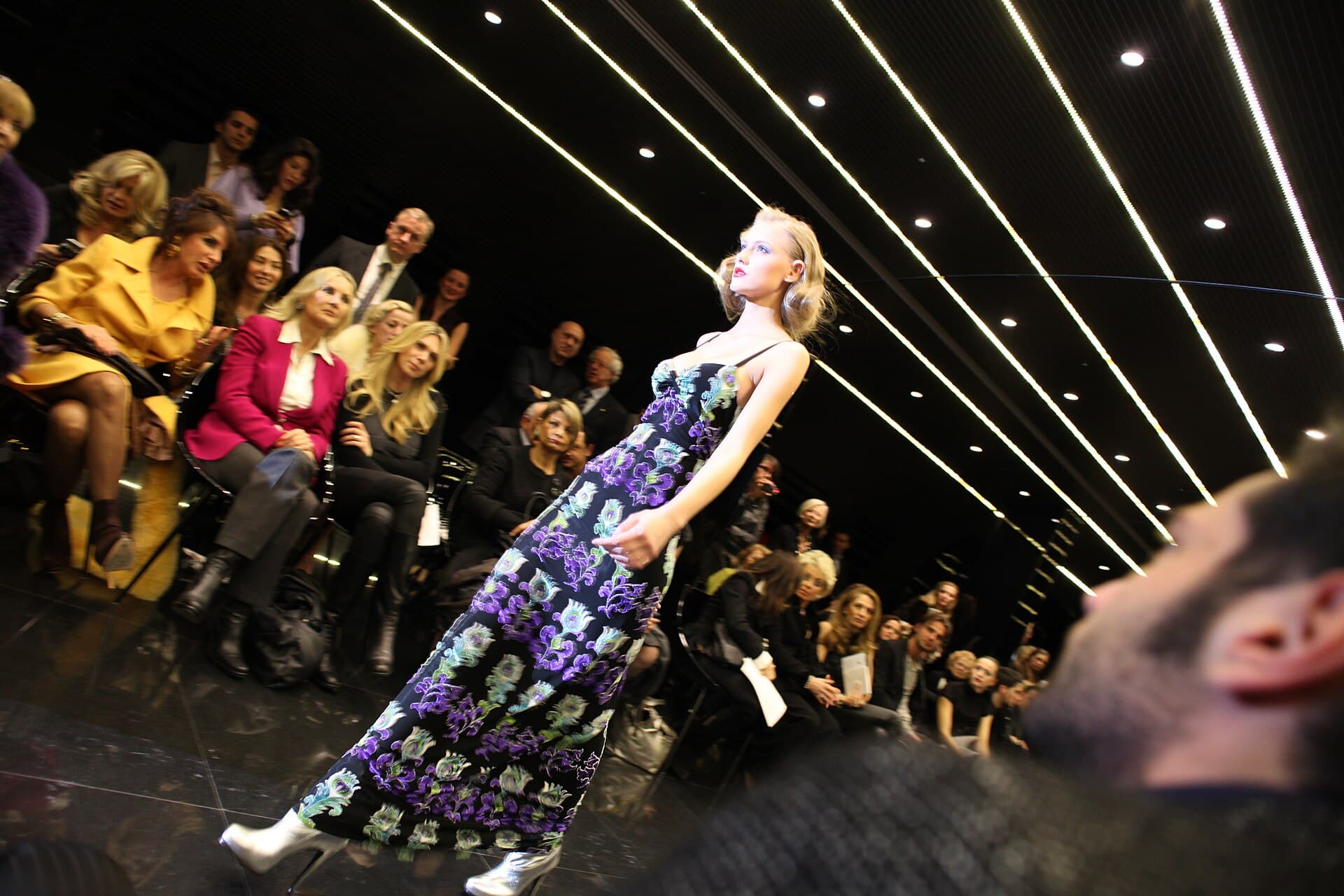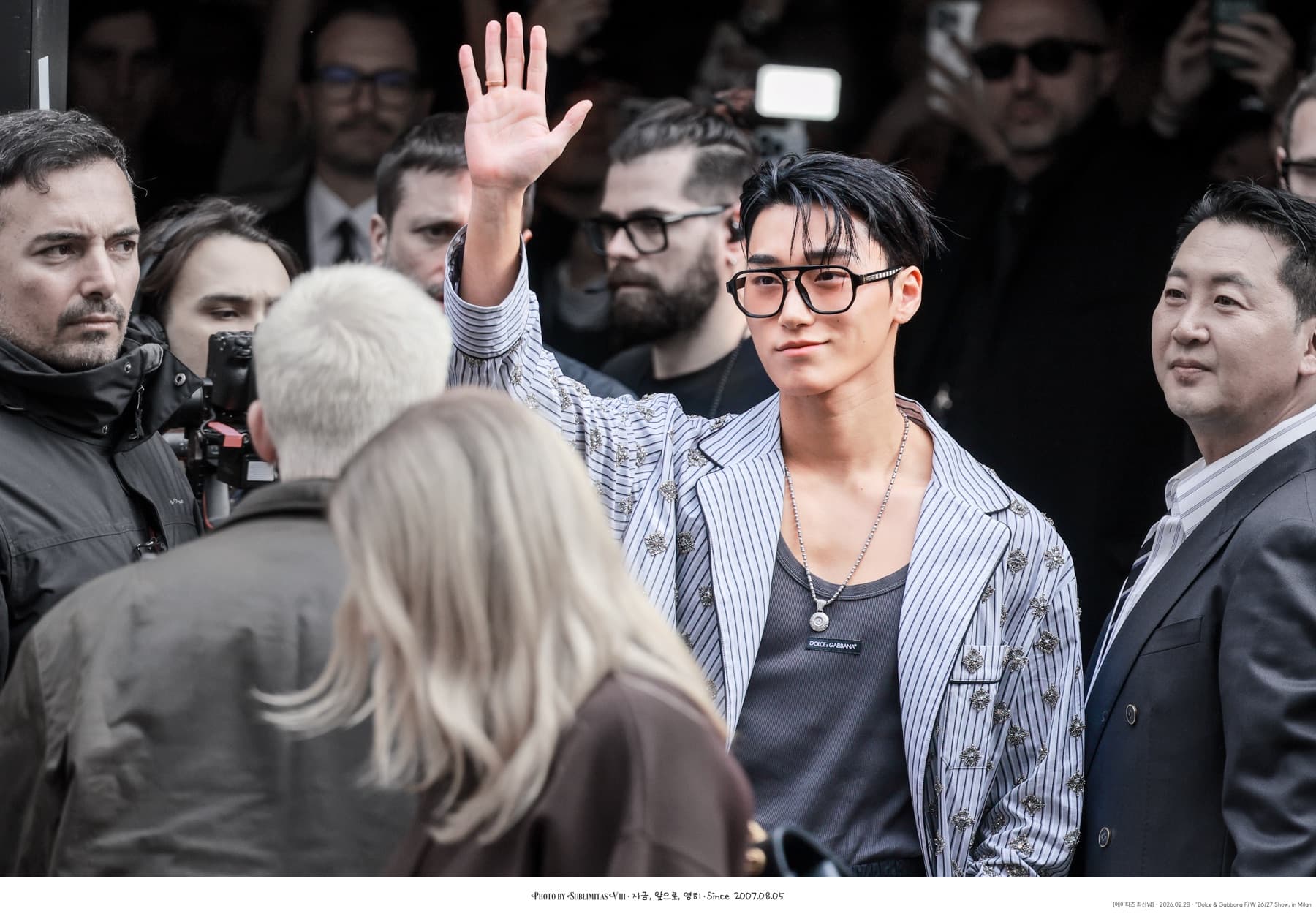
Milan Fashion Week ran February 24 to March 2, 2026, carrying the two runway debuts the industry had been waiting on since the middle of 2025: Demna at Gucci and Maria Grazia Chiuri at Fendi.
Getting both in one week is a considerable piece of fortune for a city that has spent a decade being described as the third-most-important of the four.
Why this mattered for Milan specifically
The Italian week has a structural problem. Paris closes fashion month and has the gravity that comes with it, now running 68 shows for the September season. Milan has a smaller schedule, a shorter window, and a persistent pull toward France among the houses large enough to choose.
What Milan has is the industrial base. The manufacturing, the leather, the knitwear, the tanneries, the sample rooms. That is why the Italian houses stay, and why the week retains commercial weight even in seasons when it lacks a marquee show.
February 2026 gave it two. Gucci is Kering's largest brand and the single most-scrutinised turnaround in luxury. Fendi is LVMH's Roman house, and Chiuri returning to Italy after her long run at Dior is a story with a decade of context behind it.
The two debuts were the same event and completely different bets
Demna at Gucci arrived with the most defined designer identity in the industry after ten years at Balenciaga, and with a mandate to arrest a decline: Gucci fell 19% across 2025. We covered La Famiglia as its own piece, because the collection was constructed as a set of characters rather than a conventional line-up, and because the reaction split more sharply than the reviews suggested.
Chiuri at Fendi is the inverse case. She spent years at Dior building a commercially enormous, critically contested position, and she arrives at a house that is stable rather than in crisis. Her brief is not rescue, it is definition, which is a harder thing to be judged on. Nobody applauds a designer for keeping a healthy house healthy.
What a week like this does and does not prove
It concentrated attention, and concentration has value the schedule can convert: buyers stayed, press stayed, the ancillary showroom traffic that actually pays for the Italian week benefited from people being in the city with time.
What it does not do is change Milan's position. The two debuts were the product of decisions made in Paris and by two French-listed groups. Milan hosted them; it did not attract them. A city whose best seasons depend on where other people's creative directors happen to be assigned is not in control of its calendar.
The test comes in seasons without a marquee debut. That is where a week either has structural pull or does not, and it is the same test London keeps failing and is trying again with McQueen's return in September.
The numbers that followed
By mid-year, Kering had posted its first positive quarter in three years, with Gucci at -2% against -8% the previous quarter. LVMH's fashion division turned positive by 1%.
Neither of those numbers can be attributed to collections shown in February, which had not reached stores. But they set the conditions the debuts will be judged against, and they mean both designers get a second and third collection before anyone can reasonably claim to know.
Dates per Camera Nazionale della Moda Italiana. Collection assessments here are made from runway imagery, video and published reporting rather than from the room, and are noted as such throughout.