The Spring/Summer 2026 season carried fifteen designer debuts across the four cities, with the heaviest concentration in Paris in early October 2025. It is difficult to find a precedent, and the reason is straightforward: a debut of this magnitude normally happens once or twice a season and gets the season's full attention. Fifteen of them meant nobody could give any of them full attention.
The two that reorganised the week:
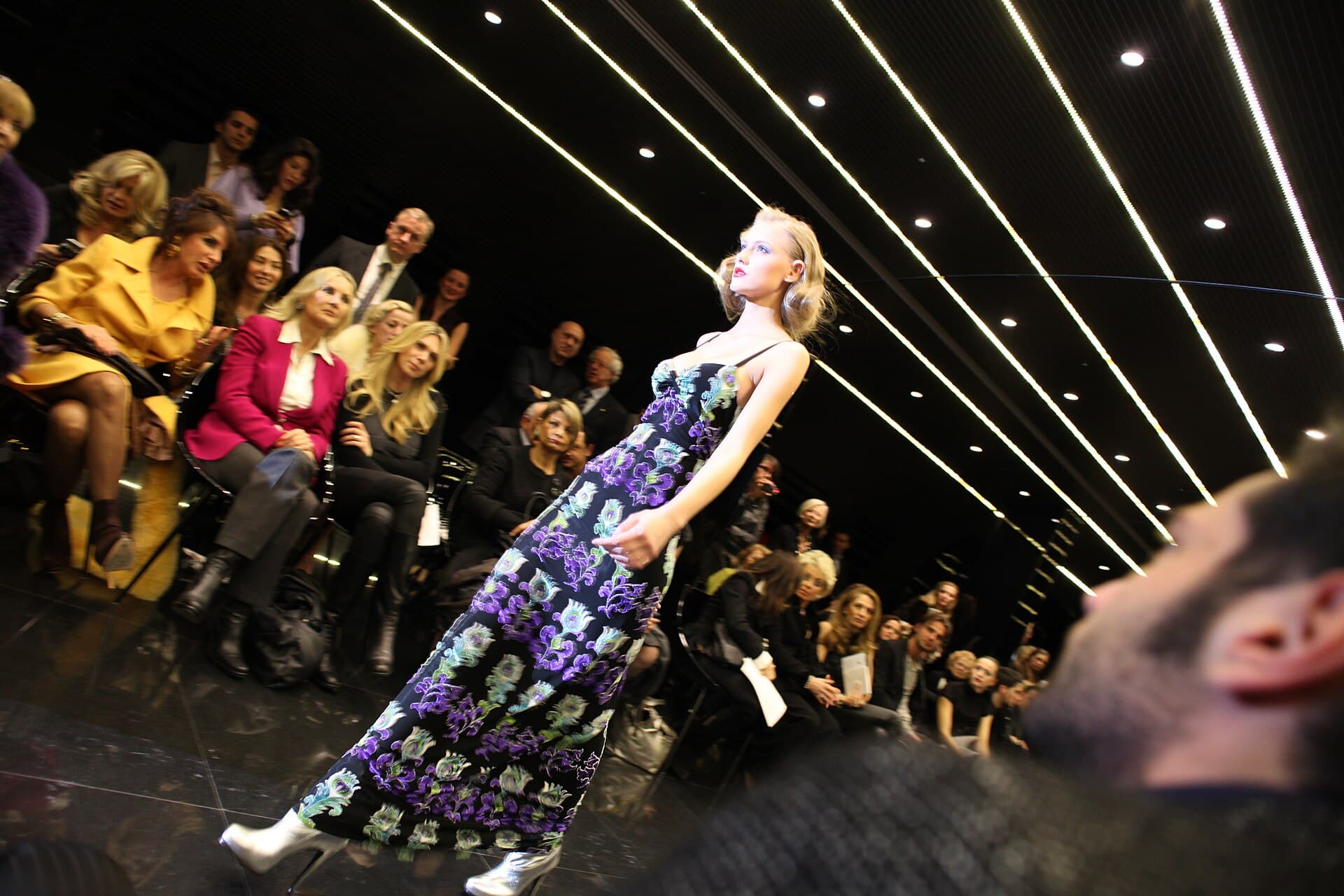
Jonathan Anderson's first Dior womenswear, October 1, drew a standing ovation from a heavily celebrity-populated room. He opened with a white tea-length dress and moved quickly into his reading of the New Look, the calf-length skirt cut to a mini and the Bar jacket cropped, through re-imagined house overcoats, trouser suits with long capes, and short denim skirts. It was, by a wide margin, the most hyped and most divisive show of the year. We wrote it up separately in the Dior debut.
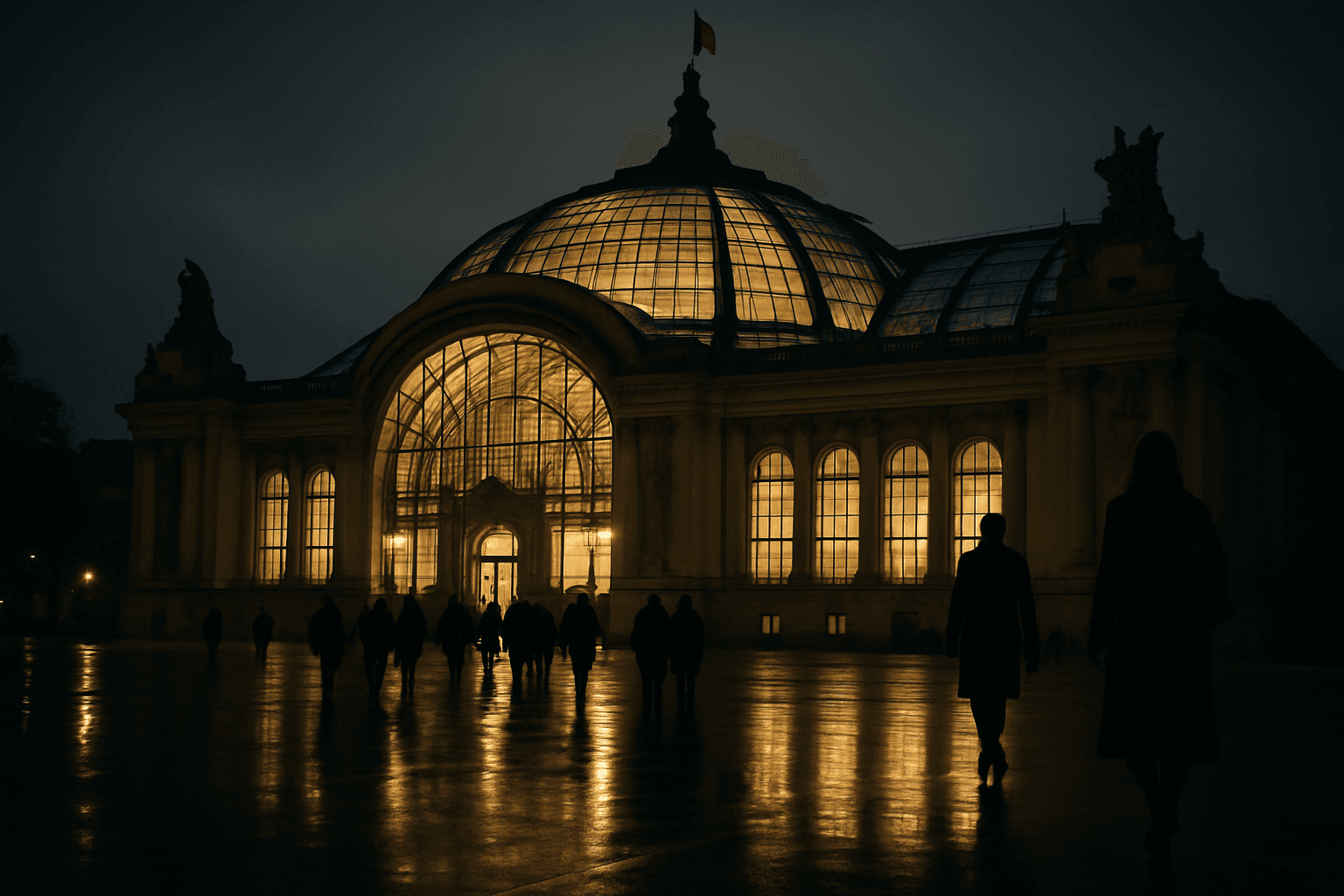
Matthieu Blazy's Chanel debut, days later at the Grand Palais, transformed the hall into a solar system with enormous glowing planets suspended overhead and others set on the black floor, and closed with the room on its feet. It was described as the first real caesura at the house in more than four decades. Our piece on it is here.
Balenciaga and Jean Paul Gaultier also presented new creative visions in the same Paris week.
What fifteen debuts does to a season
It changes what the season can measure.
In a normal season, the calendar functions as a comparison. Houses show against each other, in the same week, to the same audience, and the collective judgement that comes out of it is relative: who moved forward, who repeated themselves, what the season's argument turned out to be.
A season of debuts cannot do that. Each show is being judged against the house's own past rather than against its peers, and every review becomes a referendum on an appointment. The industry spent October 2025 evaluating fifteen hiring decisions and almost no clothes.
That has a cost that is easy to miss. Designers who were not debuting, working steadily at houses with no transition to report, effectively did not have a season. Attention is finite, and it all went to the handovers.
The concentration was not a plan
Nobody coordinated this. As we set out in the creative-director reset, the cluster came from three pressures landing together: a downturn that made incumbency expensive, a generation of directors appointed in the same mid-2010s window reaching the end of their tenures at the same time, and the cascade effect where each move opened another chair.
The Paris concentration specifically follows from the city's position. Paris closes fashion month, holds the largest schedule, and has most of the houses big enough for a debut to matter internationally. If fifteen appointments are going to be revealed in one season, most of them will be revealed in Paris. We looked at how that gravity works in the calendar piece.
Reading it a year later
Writing this in the days after the season, the honest position is that almost nothing is knowable yet. Debut collections reach stores six months out. The accessories offers that actually carry revenue at houses this size lag further. A standing ovation and a divided internet are not commercial information.
What the season did establish is the scale of what was being bet. Eight major houses, one season, most of the industry's creative leadership newly appointed and unproven, in the middle of a downturn.
The results of that bet start showing up in group reporting through 2026, and in the wholesale order books nobody publishes.
Debut count and season detail per contemporaneous reporting, including Wonderland and Malay Mail's coverage of the Paris week. Collection assessments here are made from runway imagery, video and published reporting rather than from the room.